Curious what makes Augusta’s West End stand out? If you are looking for a neighborhood with older homes, a connected location, and easy access to parks and downtown amenities, West End offers a different feel than a newer subdivision. Understanding the area’s layout, housing character, and nearby attractions can help you decide whether it fits your goals. Let’s dive in.
West End at a Glance
West End is best understood as part of Augusta’s older city fabric. Augusta’s comprehensive plan places Harrisburg, including the area formerly known as West End, within the Old City Neighborhoods character area.
That matters because it shapes what you can expect on the ground. The city describes these neighborhoods as predominantly residential, mostly developed before World War II, with a grid street pattern, sidewalks in many areas, and neighborhood commercial uses mixed in with homes.
For buyers, that often translates to a more established streetscape and a less uniform housing stock. Instead of a master-planned look, you are more likely to find a neighborhood that has evolved over time.
Historic Character Shapes the Area
West End’s identity is closely tied to Augusta’s history. Historic Augusta highlights the Harrisburg-West End and Woodlawn Historic District, and the National Park Service lists the Harrisburg-West End Historic District on the National Register of Historic Places.
One notable landmark is the Ezekiel Harris House at 1840 Broad Street. Its presence adds to the area’s sense of continuity and helps anchor the neighborhood within Augusta’s broader historic story.
If you are drawn to places with a clear sense of place, that historic context can be a real plus. It gives West End a character that feels layered rather than newly built.
Homes in West End
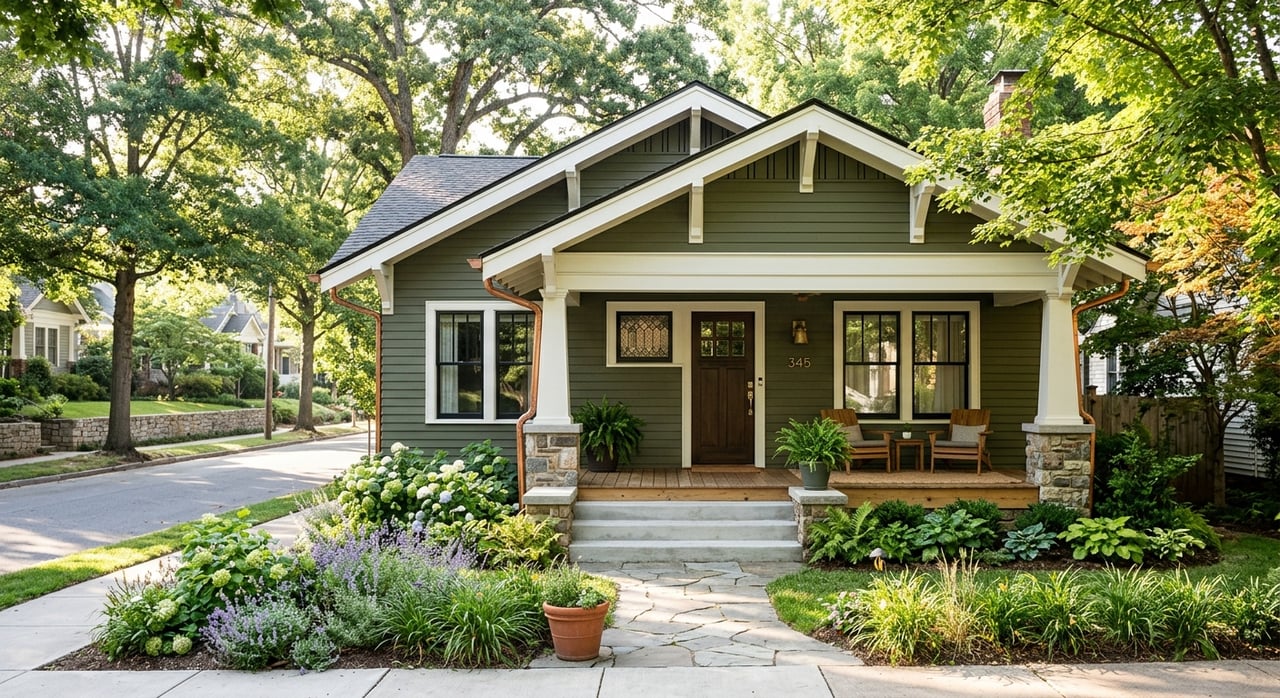
Housing in and around West End is varied. Augusta city records summarizing Historic Augusta’s survey reported Bungalow, Small American, Cottage, Craftsman, and Shotgun style buildings in one phase of the district.
That mix supports a simple takeaway: this is not a one-style neighborhood. The area has developed across different periods, so homes can differ in scale, layout, and exterior detail.
Nearby Harrisburg also preserves mill-village architecture that includes shotgun houses, cottages, and two-story brick tenements. Historic Augusta further describes Harrisburg-West End as a large residential area with homes, churches, schools, and commercial buildings that changed over time.
For you as a buyer, this means it is worth looking closely at each property rather than assuming every home will feel the same. The neighborhood’s appeal is tied to variety and historic texture.
Street Pattern and Everyday Mobility
One of the practical advantages of West End is how the neighborhood is set up. Augusta’s plan notes that Old City Neighborhoods typically have a grid street pattern and medium-to-high access to public transit.
That kind of layout can support easier day-to-day movement through the area. Sidewalks in many parts of the neighborhood also add to the traditional urban feel.
If you value being in a more connected part of the city, this is an important point. West End is positioned more like an in-town neighborhood than a farther-out suburban pocket.
Parks and Outdoor Access Near West End
For outdoor time, Lake Olmstead Park is one of the clearest nearby assets. The city lists the park at 2205 Broad Street and notes amenities that include ball fields, a boat ramp, disc golf, fishing, picnic areas, a rental facility, a stadium, and a walking track or trail.
That range of amenities gives you options whether you want active recreation or a more laid-back outing. It is the kind of nearby resource that can shape how you spend weekends and evenings.
City park materials also note that Lake Olmstead Park dates to 1872 and has seen shoreline, gazebo, parking, and landscaping improvements. That mix of history and ongoing investment adds to the park’s local importance.
Augusta Canal Adds More Recreation
The Augusta Canal expands the area’s outdoor appeal. According to the Canal Authority, the towpath runs from the Headgates to the I-20 Bridge and is used by hikers, cyclists, and runners.
There are also trailheads at Lake Olmstead and at the Mill Village Trailhead near the Kroc Center. That gives residents near West End access to a larger network for walking, biking, and exploring.
The Canal Authority also describes the canal corridor as a place for kayaking and as an urban wildlife refuge. For many buyers, that nearby access helps balance the neighborhood’s historic, city-centered setting with outdoor options.
Kroc Center Nearby
Another local recreation anchor is the Salvation Army Kroc Center at 1833 Broad Street. It offers arts, worship, education, and recreation programming.
For someone comparing neighborhoods, that kind of nearby facility can add convenience and flexibility. It broadens the range of activities available close to home.
Dining, Shopping, and Culture Close By
West End is primarily residential, but its location gives you access to a broader set of nearby amenities. Downtown Augusta is especially important here.
Visit Augusta describes downtown as a place for locally owned restaurants, nightlife, walkability, affordable public parking, and Broad Street retail. It also highlights destinations such as New Moon Cafe, Farmhaus Burger, Solé Augusta, Craft & Vine, Soul Bar, and the Augusta Market at the Riverwalk.
That means living near West End can put you within reach of dining and entertainment options without needing to give up a more residential setting. For many buyers, that combination is part of the appeal.
Local Destinations to Know
Several cultural and civic destinations are also nearby. These include the Augusta Museum of History, the Miller Theater, and the Bell Auditorium.
The Augusta Canal Discovery Center at Enterprise Mill also connects the area to one of Augusta’s signature heritage corridors. Together, these destinations add depth to the neighborhood’s location and can make day-to-day life feel more connected to the city.
What West End May Appeal To
West End may be especially worth a closer look if you value:
- Older homes with varied architectural styles
- A traditional street grid and established neighborhood feel
- Access to parks, trails, and outdoor recreation
- Proximity to downtown Augusta dining and cultural venues
- A location tied to Augusta’s historic development
This is not the kind of neighborhood people typically choose for uniformity. It is better suited to buyers who appreciate character, context, and a more central setting.
A Smart Way to Evaluate West End
If you are considering a move in or around West End, it helps to stay focused on the details that matter most to your lifestyle. In a historically layered neighborhood, each block and each home can offer something a little different.
As you compare homes, pay attention to:
- The property’s specific architectural style and condition
- Its access to Lake Olmstead Park and the Augusta Canal
- How close it is to Broad Street and downtown destinations
- The surrounding street pattern, sidewalks, and nearby uses
- Whether the home’s layout and updates match your needs
That kind of block-by-block approach can give you a clearer picture than broad assumptions. In a neighborhood like West End, context matters.
If you want help navigating neighborhood choices with a clear, low-friction approach, Darius Hollis can help you explore your options with more clarity and confidence.
FAQs
What is the West End neighborhood in Augusta known for?
- West End is known for being part of Augusta’s older city fabric, with pre-World War II development patterns, varied housing styles, a traditional grid street layout, and historic district connections.
What kinds of homes are found in West End Augusta?
- Homes in and around West End include styles such as Bungalow, Small American, Cottage, Craftsman, and Shotgun, reflecting the area’s layered residential history.
What parks and trails are near West End in Augusta?
- Nearby outdoor options include Lake Olmstead Park and the Augusta Canal towpath, which support activities such as walking, running, cycling, fishing, boating, and kayaking.
Is West End close to downtown Augusta amenities?
- Yes. West End’s location provides access to nearby downtown Augusta restaurants, retail, nightlife, and cultural destinations such as the Augusta Museum of History, Miller Theater, and Bell Auditorium.
Why might a buyer consider West End in Augusta?
- A buyer may consider West End for its historic feel, varied homes, central location, access to recreation, and connection to Augusta’s broader civic and cultural core.