Curious what everyday life in Midtown Atlanta actually feels like? If you are thinking about moving here, you probably want more than a map pin and a list of condos. You want to know how the neighborhood moves, what your routines might look like, and whether the tradeoffs fit your lifestyle. This guide will help you understand Midtown’s housing, walkability, parks, arts, and daily rhythm so you can decide if it feels like the right fit. Let’s dive in.
Midtown has more than one feel
Midtown is often described as one of Atlanta’s most walkable neighborhoods, but it is not one single experience. According to Midtown Alliance’s neighborhood overview, the area blends public parks, office space, retail, housing, and cultural institutions in a dense mixed-use setting.
That mix creates a neighborhood with distinct sections. Midtown Alliance organizes the area into the Midtown Improvement District, Midtown Garden District, and Old Midtown, which helps explain why one block may feel busy and vertical while another feels quieter and more residential. If you are home shopping here, that difference matters.
The core feels urban and connected
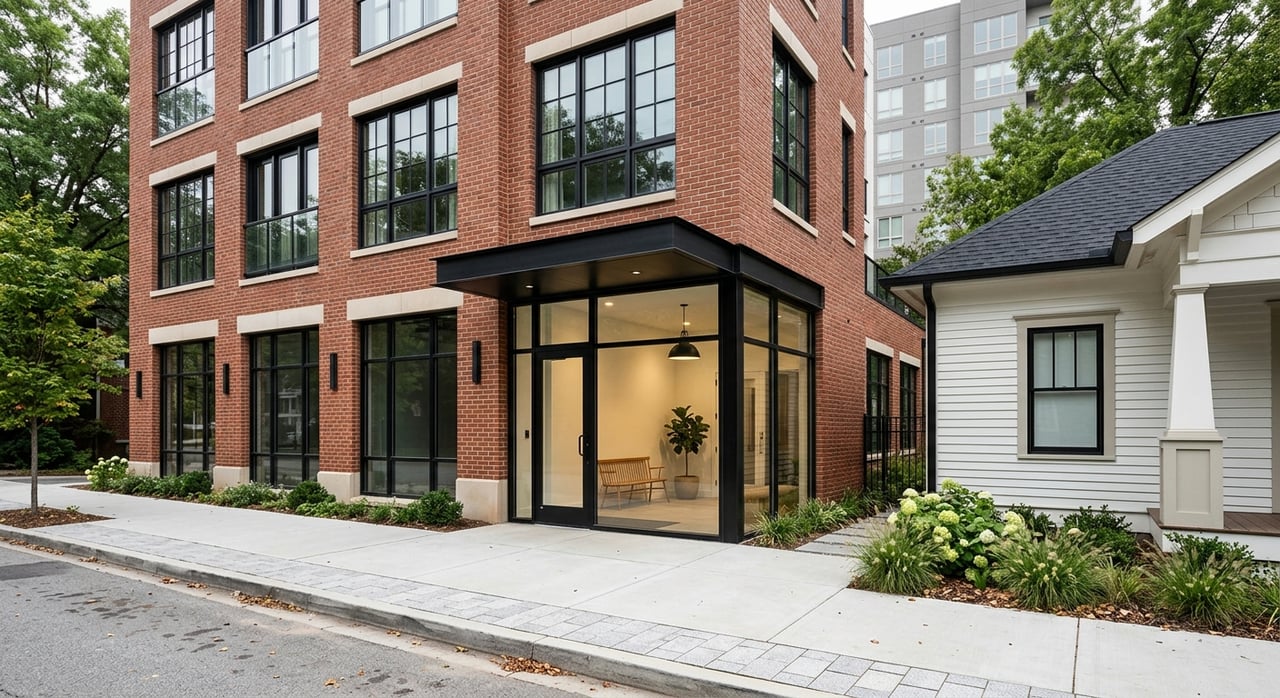
Around Peachtree and West Peachtree, Midtown has a higher-density, transit-oriented feel. You will find more office buildings, shops, restaurants, and multi-residential housing in this part of the neighborhood, based on Midtown planning documents and station-area descriptions from Midtown Alliance.
For many buyers and renters, this is the version of Midtown they picture first. It is convenient, active, and built for people who want to be close to everyday essentials and neighborhood activity.
The Garden District feels more residential
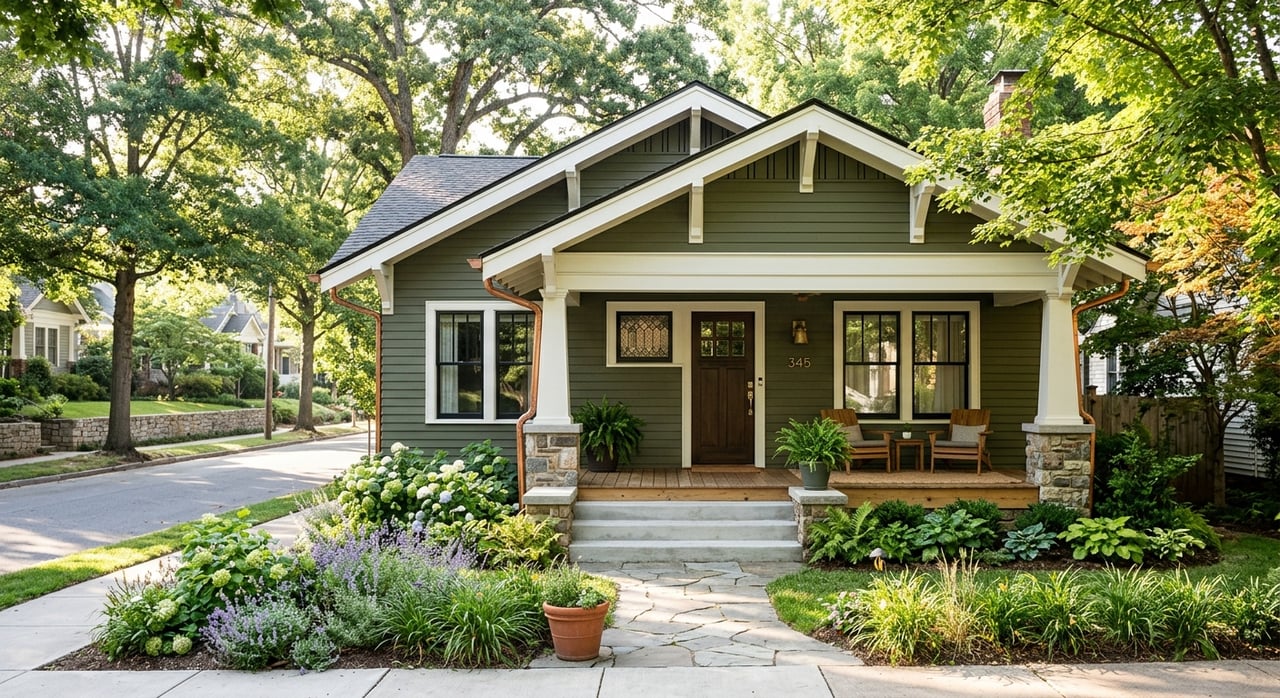
East of Juniper, the character shifts. In the Garden District, Midtown Alliance describes early 20th-century historic homes, mid-century apartment buildings, a compact street grid, rolling topography, and a mature tree canopy.
That means you can still live in Midtown without feeling surrounded by towers on every block. Some streets feel tucked away, even though you are still close to the park, transit, and the rest of intown Atlanta.
Housing options are surprisingly varied
One of Midtown’s biggest strengths is range. The neighborhood includes historic single-family homes, townhomes, low-rise buildings, high-rise condos, and apartments, according to Midtown Alliance.
If you want a lock-and-leave lifestyle, the condo-heavy core may appeal to you. If you prefer an older home or a smaller residential building, the Garden District may offer a better match. Midtown gives you several living styles within a relatively small footprint.
Older homes can be less straightforward
Midtown’s historic blocks come with character, but they can also come with surprises. Midtown history materials note that many historic homes were subdivided into apartments in the 1940s and later renovated or sold as condominiums.
That means a property that looks like a detached single-family home from the street may actually contain multiple units. If you are buying in an older section of Midtown, it helps to understand exactly how the property is configured before you fall in love with the facade.
Walkability is one of Midtown’s biggest draws
If your goal is to drive less, Midtown stands out. Midtown Alliance’s mobility page describes the neighborhood as a walking district with mass transit, bike, and car-share options.
For many residents, that translates into a more flexible daily routine. You may be able to walk to coffee, dinner, a grocery stop, or a park outing without planning your whole day around parking.
MARTA access supports daily life
Midtown has three MARTA stations in or near the neighborhood: Midtown, Arts Center, and North Avenue. MARTA’s Midtown station page notes that Midtown Station is on the Red and Gold lines, has very limited parking, and is the closest station to Piedmont Park.
Arts Center Station is also on the Red and Gold lines and sits near the High Museum, Alliance Theatre, Atlanta Symphony Hall, dining, shopping, offices, and multi-residential housing, according to MARTA. North Avenue Station is on the same rail lines and has no parking.
In practical terms, Midtown can work well if you want to use transit for commuting, airport trips, or getting downtown. It also works for people who prefer a car-light lifestyle rather than full-time driving.
Urban convenience comes with tradeoffs
Walkability does not mean quiet. Midtown Alliance’s quality-of-life page notes that traffic flow, road repairs, festival impacts, and noise all shape everyday life in the neighborhood.
That is not necessarily a negative. It is simply part of living in a central, active district. If you are comparing Midtown to a lower-density neighborhood, this is one of the clearest lifestyle differences to keep in mind.
Parks and outdoor access are part of daily life
Piedmont Park is one of the biggest reasons people love Midtown. According to the Piedmont Park Conservancy, the park runs along 10th Street and Piedmont Avenue, is open daily from 6 a.m. to 11 p.m., and includes walking and jogging paths, picnic areas, recreation spaces, and off-leash dog parks.
This is not just a once-in-a-while destination. For many Midtown residents, it becomes part of the weekly routine, whether that means a morning walk, a weekend picnic, or a quick dog park visit.
The Green Market adds neighborhood rhythm
From March to November, Piedmont Park also hosts the Saturday Green Market, where neighbors can shop for produce, coffee, prepared foods, and local goods. That kind of recurring event helps Midtown feel like a lived-in neighborhood, not just a collection of buildings.
If you value places that make it easy to get outside and connect with local activity, this is a major plus. It adds energy without requiring a big plan.
The Botanical Garden expands the experience
Next to the park, the Atlanta Botanical Garden describes itself as an urban oasis with 30 acres of outdoor gardens, a Children’s Garden, Storza Woods, a Canopy Walk, and the Skyline Garden.
For residents, that means the park-and-garden area can feel like an extension of the neighborhood itself. It gives Midtown a greener, more relaxed side that balances the busy streets nearby.
Arts and entertainment are built into Midtown
Midtown is one of Atlanta’s best-known cultural hubs. The Woodruff Arts Center is home to the Alliance Theatre, Atlanta Symphony Orchestra, and High Museum of Art.
That concentration of arts venues changes what a normal week can look like. Instead of planning a special trip across town, you may have performances, exhibitions, and events close to home.
Live entertainment is easy to reach
The Fox Theatre is another major Midtown landmark, located at 660 Peachtree Street NE near Peachtree and Ponce, according to the research provided. The Center for Puppetry Arts also adds live shows, workshops, exhibitions, and museum programming to the area’s cultural mix.
For buyers who care about lifestyle as much as square footage, that access can be a real deciding factor. Midtown often works well for people who want their neighborhood to offer more than just a place to sleep.
Dining and retail cluster in key spots
Midtown’s restaurants and retail are not spread evenly across every block. Instead, they tend to cluster in mixed-use nodes. Colony Square is a strong example, describing itself as Midtown’s living room with restaurants, retail, entertainment, greenspace, residences, a hotel, and the Politan Row food hall.
That creates a neighborhood pattern where you can move between quieter residential streets and more active social areas fairly quickly. It also gives Midtown a strong live-work-play setup without making every block feel the same.
The BeltLine adds another layer
The Atlanta BeltLine Eastside Trail connects to Piedmont Park, Historic Fourth Ward Park, and shopping and retail destinations. For Midtown residents, that makes it easier to reach nearby areas on foot or by bike.
This connection expands your options for exercise, dining, and weekend plans. It also helps Midtown feel tied into a larger intown network rather than isolated within its own boundaries.
Who Midtown tends to suit best
Midtown is often a strong fit if you want walkability, transit access, and a full calendar of things to do. Based on Midtown Alliance’s overview, the neighborhood is dense, mixed-use, and active, with the tradeoffs that usually come with central-city living.
You may feel at home here if you want to spend less time driving, enjoy nearby parks and cultural venues, and like having restaurants and services close by. You may want to think more carefully if you prefer abundant parking, low noise, and a slower pace on every block.
Your best fit may depend on micro-location
Even within Midtown, your experience can vary. The Garden District master plan notes that the district centers on historic homes and apartments and that access to Piedmont Park and the BeltLine varies within the district.
That is why choosing the right block or building matters almost as much as choosing Midtown itself. A higher-rise near the core can feel very different from a historic property on a tree-lined residential street.
If you are considering Midtown, it helps to look beyond the broad neighborhood label and focus on how you want your day-to-day life to work. The right home here is usually the one that matches your routine, your transportation habits, and the level of activity you want around you. If you want help sorting through Midtown condos, historic homes, or the tradeoffs between blocks, Darius Hollis can help you navigate the options with clear, local guidance.
FAQs
Is Midtown Atlanta walkable for daily life?
- Yes. Midtown Alliance describes Midtown as a walking district with transit, bike, and car-share options, so many daily needs can be handled without relying on a car.
What types of homes are common in Midtown Atlanta?
- Midtown includes historic single-family homes, townhomes, condos, apartments, and both low- and high-rise residential buildings, according to Midtown Alliance.
What is the difference between Midtown’s core and Garden District?
- The core around Peachtree and West Peachtree is generally denser and more transit-oriented, while the Garden District has more historic homes, mid-century apartment buildings, tree canopy, and a quieter residential feel, based on Midtown planning information.
Does Midtown Atlanta have good transit access?
- Yes. Midtown has access to the Midtown, Arts Center, and North Avenue MARTA stations on the Red and Gold lines, according to MARTA.
What can you do on weekends in Midtown Atlanta?
- Common options include spending time in Piedmont Park, visiting the Atlanta Botanical Garden, exploring the BeltLine, dining in mixed-use hubs like Colony Square, and attending performances or exhibitions in Midtown’s arts venues.