Thinking about living in Marietta? You are not alone. For many buyers and movers, Marietta stands out because it offers a close-in Cobb County location, a recognizable downtown, and a housing mix that feels broader than the typical one-note suburb. If you want a clearer picture of homes, commuting, and day-to-day life here, this guide will help you sort through the tradeoffs and decide whether Marietta fits your next move. Let’s dive in.
Why Marietta Gets Attention
Marietta sits about 15 miles northwest of Atlanta, with access to I-75, U.S. 41, and state routes. That location makes it appealing if you want to stay connected to Atlanta while living in a city with its own downtown identity.
The city’s latest profile shows 63,574 residents, a 47.2% owner-occupied housing rate, and an average commute time of 27.5 minutes. Those numbers help frame Marietta as a place with a real mix of owners and renters, plus commute patterns that are manageable for many households but still tied to metro Atlanta traffic.
Marietta Housing Mix
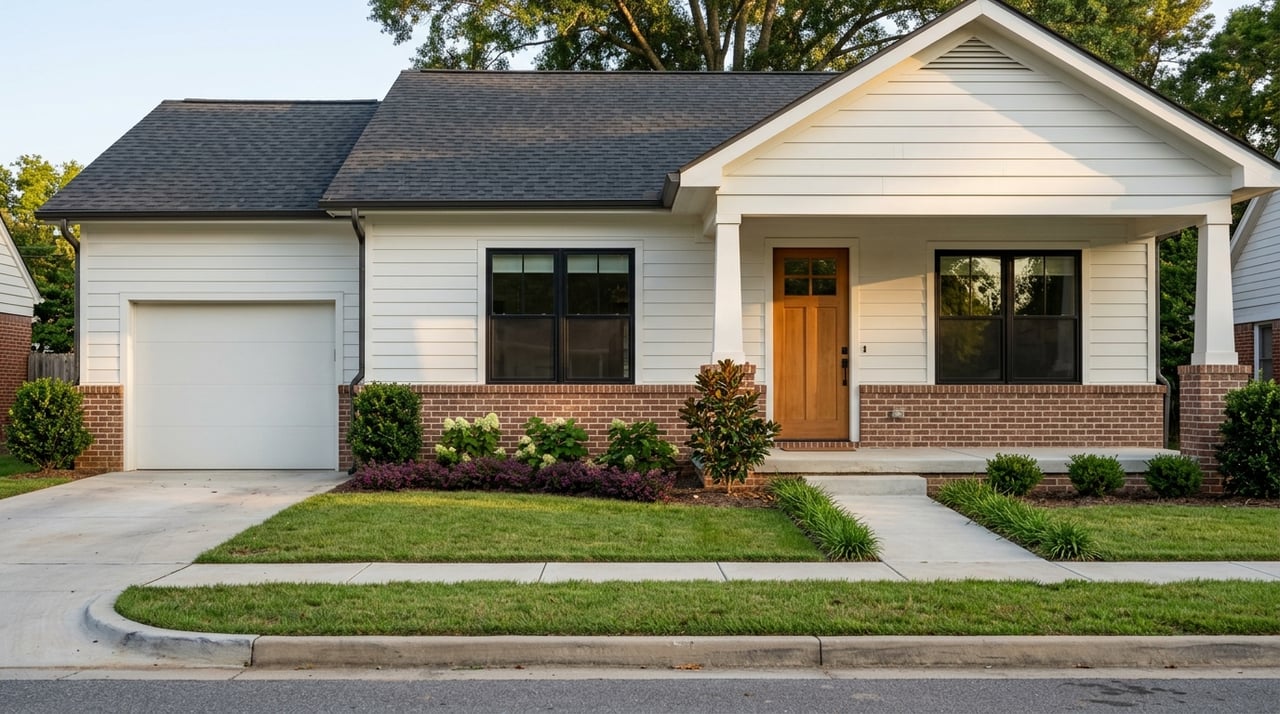
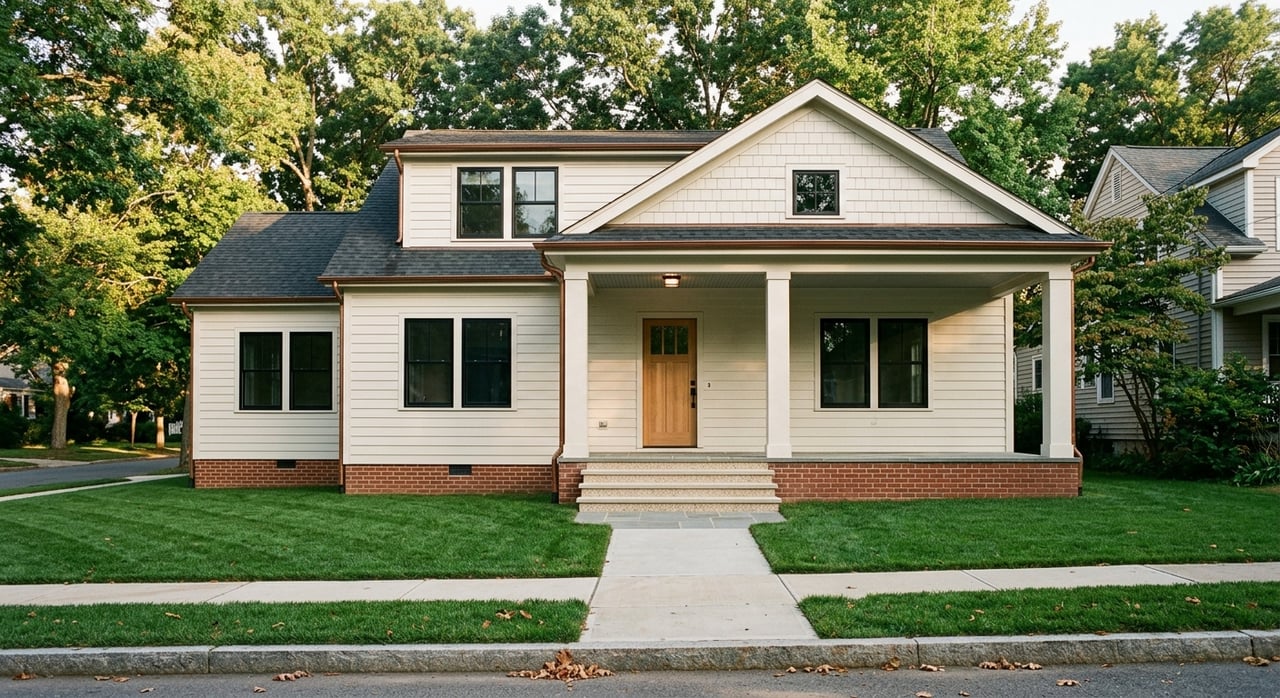
One of the biggest strengths of Marietta is variety. This is not just a city of detached houses on large lots. According to the city’s Consolidated Plan, 54% of the housing stock is single-family, including 43% detached homes and 13% attached homes.
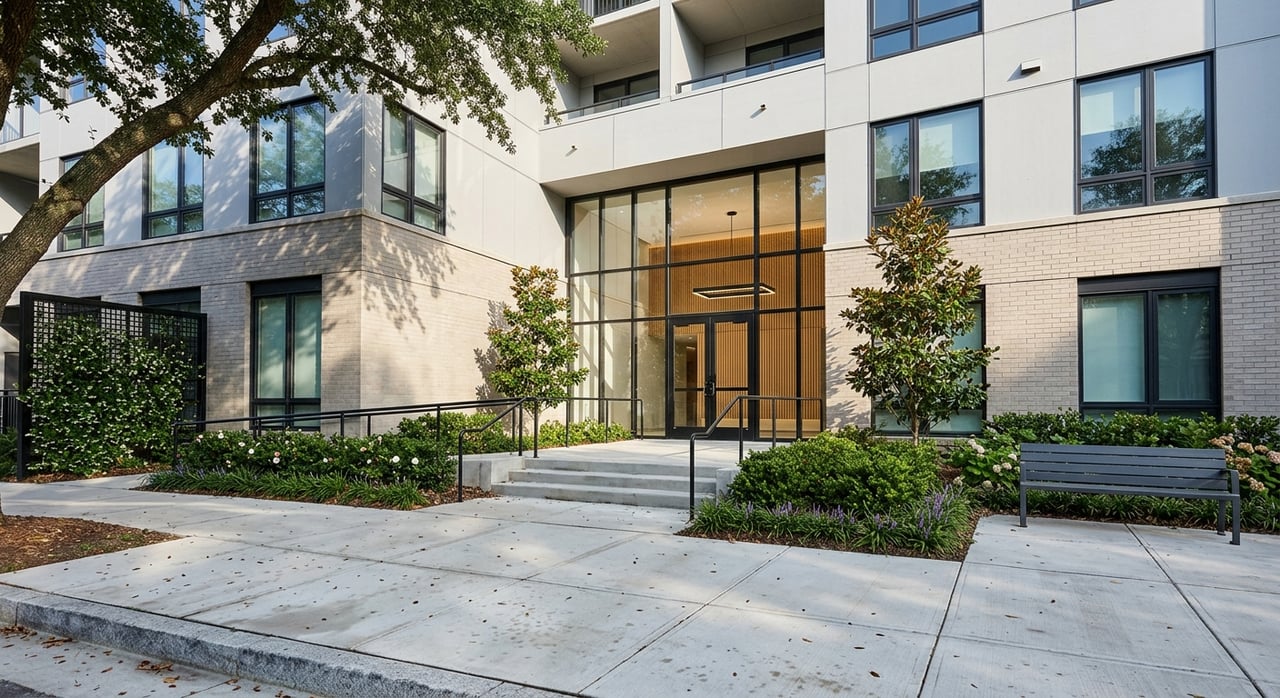
Multifamily housing also plays a meaningful role. The same report says 24% of homes are in 5 to 19 unit buildings, and 17% are in 20+ unit buildings. That gives you more options if you are comparing condos, townhome-style living, apartment communities, or traditional single-family homes.
For space, the city notes that most owner-occupied units have three or more bedrooms, while most rental units have one to two bedrooms. If you are buying, that often means more room is available in owner housing. If you are renting first, your choices may lean smaller and more apartment-oriented.
What Homes Cost in Marietta
For a quick budget baseline, the latest Census QuickFacts show a median owner-occupied home value of $448,500. Median gross rent is $1,586.
Those numbers are not a price quote for every property, but they do help set expectations. If you are planning a move, they can be useful for comparing Marietta with nearby Atlanta neighborhoods and other Cobb County areas.
Older Homes and Maintenance
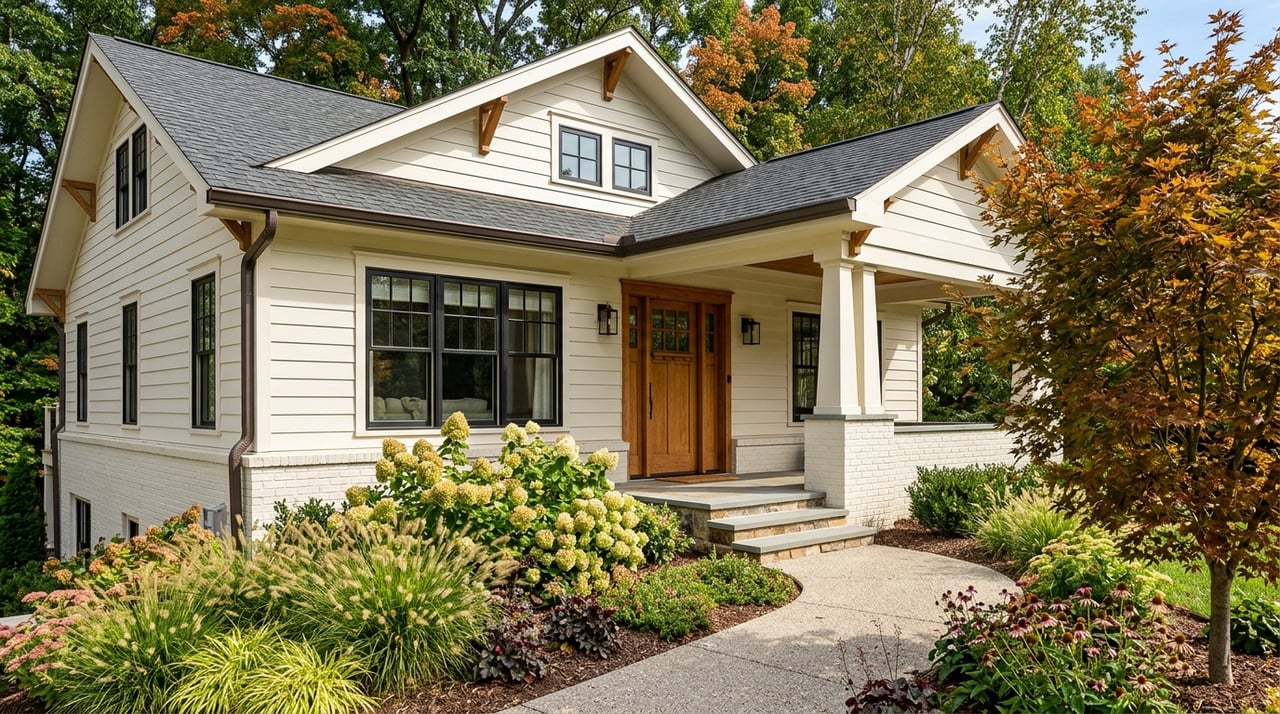
Marietta’s older housing stock is part of its character. It is also something you should take seriously when planning your budget and search strategy. The city reports that 42% of the housing stock was built before 1980.
That can mean more architectural variety and established streetscapes. It can also mean a higher chance of ongoing repair needs, system updates, or exterior upkeep.
The city’s Housing Rehabilitation Program, which helps qualifying owner-occupants address repairs and code issues when funds are available, is another reminder that maintenance is a real part of the local housing picture. If you are shopping in Marietta, it is smart to think beyond purchase price and consider the likely cost of ownership over time.
Historic District Considerations
Marietta has five National Register Historic Districts: Church-Cherokee Streets, Northwest Marietta Street, Washington Avenue, Whitlock Avenue, and Atlanta-Frasier Street. Some locally designated historic areas require a Certificate of Appropriateness before certain exterior work can begin.
That does not make buying in these areas harder by default, but it does mean you should understand property-specific rules before planning changes. If you love older homes, this can be part of the appeal. If you want maximum flexibility for exterior updates, it is worth checking early in your search.
Commuting From Marietta
For many people, driving is the simplest way to commute from Marietta. The city highlights direct I-75 access, and Marietta is located at exit 265.
That convenience matters, especially if your schedule changes from day to day. Still, as with most close-in suburban locations around Atlanta, commute times can vary based on traffic, destination, and time of day.
Georgia Express Lanes on I-75 add another option. According to GDOT, these are optional priced lanes designed to help drivers bypass congestion and get more predictable travel times during peak periods. If consistency matters to your routine, that may be worth factoring into your commute planning.
Transit Options to Know
If you prefer a bus-and-park-and-ride setup, Marietta offers some useful connections. CobbLinc Route 10 links the Marietta Transfer Center with the Cumberland Transfer Center, Atlantic Station, KSU-Marietta, Dobbins, and MARTA’s Arts Center Station.
Cobb County also says Route 484 provides direct peak-period service from the Hickory Grove and Town Center park-and-rides to Midtown Atlanta every 30 minutes. For some commuters, that can be a practical alternative to driving the full route.
The bigger picture is that transit here is connection-based more than neighborhood-to-destination direct for most people. In other words, Marietta can work well for transit users, but you will want to map your actual trip rather than assume a simple one-seat ride.
Everyday Life in Marietta
If you ask what gives Marietta its identity, the answer starts with Marietta Square. The city describes it as the central gathering place, with Glover Park at the center and a mix of festivals, concerts, markets, shopping, antiques, restaurants, museums, theatres, and public gathering spaces.
That downtown core adds a sense of activity that many suburban buyers want but do not always find. It gives you a recognizable place to spend a Saturday morning, meet friends, walk around, or plug into local events.
Glover Park itself includes a gazebo, fountain, stage, playground, benches, and regular concerts and special events. That makes the square feel like more than a shopping area. It functions as a community hub.
Parks and Outdoor Access
Marietta offers more than just downtown amenities. The city says it has 18 parks, which adds more options for outdoor time close to home.
The city also points to nearby Kennesaw Mountain National Battlefield Park for hiking and recreation. If outdoor access matters to you, that nearby option can be a major plus.
The Mountain to River Trail is another feature worth knowing. City planning documents describe it as a link between Kennesaw Mountain and downtown, with future connections toward the Chattahoochee River recreation area. That long-term connectivity adds to Marietta’s appeal for people who want active, local lifestyle options.
Dining, Culture, and Weekly Routine
Marietta’s lifestyle is not just about special events. It also shows up in the weekly rhythm of the city.
The city highlights museums, live theatres, and unique restaurants, and notes that Marietta is home to three stages of live theatre. That creates more day-to-day variety than you might expect if you only think of Marietta as a commuter city.
The Marietta Square Farmers Market is another strong example. The visitors bureau says the Saturday market averages about 64 vendors and draws hundreds of customers each week. If you value routine community events, that kind of recurring activity can make a place feel easier to settle into.
Community Events Shape the Experience
Marietta’s event calendar is a major part of everyday life. Official city pages highlight events such as Marietta the Gathering in March, Taste of Marietta in spring, Juneteenth celebrations in Historic Marietta Square and Glover Park, the Let Freedom Ring Parade on July 4, and annual holiday events like the Christmas Tree Lighting and HarvestFest.
That matters because it speaks to how the city functions beyond housing stats. Some places are mostly where you sleep between workdays. Marietta offers a stronger sense of public life, especially around the square and seasonal programming.
Who Marietta May Fit Best
Marietta can make sense if you want a close-in suburban location with a real downtown center, a wider mix of housing types, and access to both driving and bus-based commuting options. It may also appeal to buyers who like older homes and established areas, as long as they go in with a realistic maintenance plan.
It may be especially worth a look if you are comparing it with either farther-out suburbs or intown Atlanta neighborhoods. Marietta often lands in a middle ground: more space and housing variety than some intown areas, but with tradeoffs that include traffic patterns and, in some pockets, older-home upkeep or historic-district considerations.
Smart Questions Before You Move
Before choosing Marietta, it helps to narrow in on how you actually live day to day. A few practical questions can make your search much easier:
- Do you want to be closer to Marietta Square or more focused on commute convenience?
- Are you open to older homes that may need more upkeep?
- Would a condo, townhome, apartment, or detached house fit your budget and lifestyle best?
- Will you mostly drive, or do you need park-and-ride or transit connections?
- Do you want a home in an area with historic review considerations for exterior changes?
The clearer you are on those answers, the easier it becomes to match Marietta’s housing and lifestyle options to your goals.
If you are weighing a move to Marietta or planning to sell before your next step, the best approach is clear information and a strategy built around how you live, commute, and budget. For guidance that keeps the process simple and transparent, connect with Darius Hollis.
FAQs
What is living in Marietta, GA like for everyday life?
- Marietta offers a mix of suburban convenience and an active downtown centered around Marietta Square, Glover Park, parks, restaurants, theatres, museums, markets, and seasonal events.
What types of homes are common in Marietta, GA?
- Marietta has a broad housing mix, including detached homes, attached homes, and multifamily properties, with 54% of the stock classified as single-family and a meaningful share in multifamily buildings.
What is the typical commute from Marietta, GA?
- The city’s average commute time is 27.5 minutes, and many residents rely on driving via I-75, though CobbLinc bus routes and park-and-ride options also support some Atlanta-area commutes.
Are older homes common in Marietta, GA?
- Yes. The city reports that 42% of its housing stock was built before 1980, so buyers should expect older-home maintenance to be part of the conversation in many areas.
Are there historic districts in Marietta, GA?
- Yes. Marietta has five National Register Historic Districts, and some locally designated historic areas require a Certificate of Appropriateness before certain exterior work can begin.
Is Marietta, GA good for buyers who want walkable amenities?
- Marietta Square is the city’s main walkable lifestyle hub, with shopping, dining, events, cultural venues, and public gathering spaces concentrated in and around downtown.