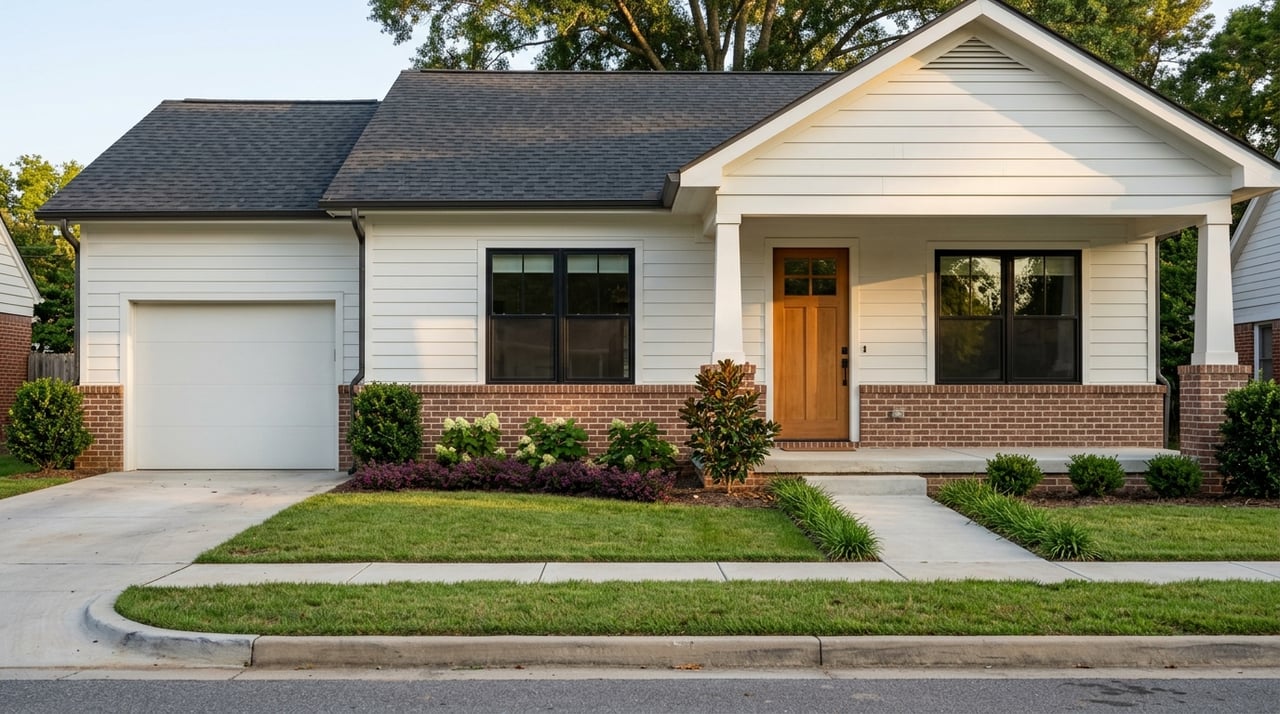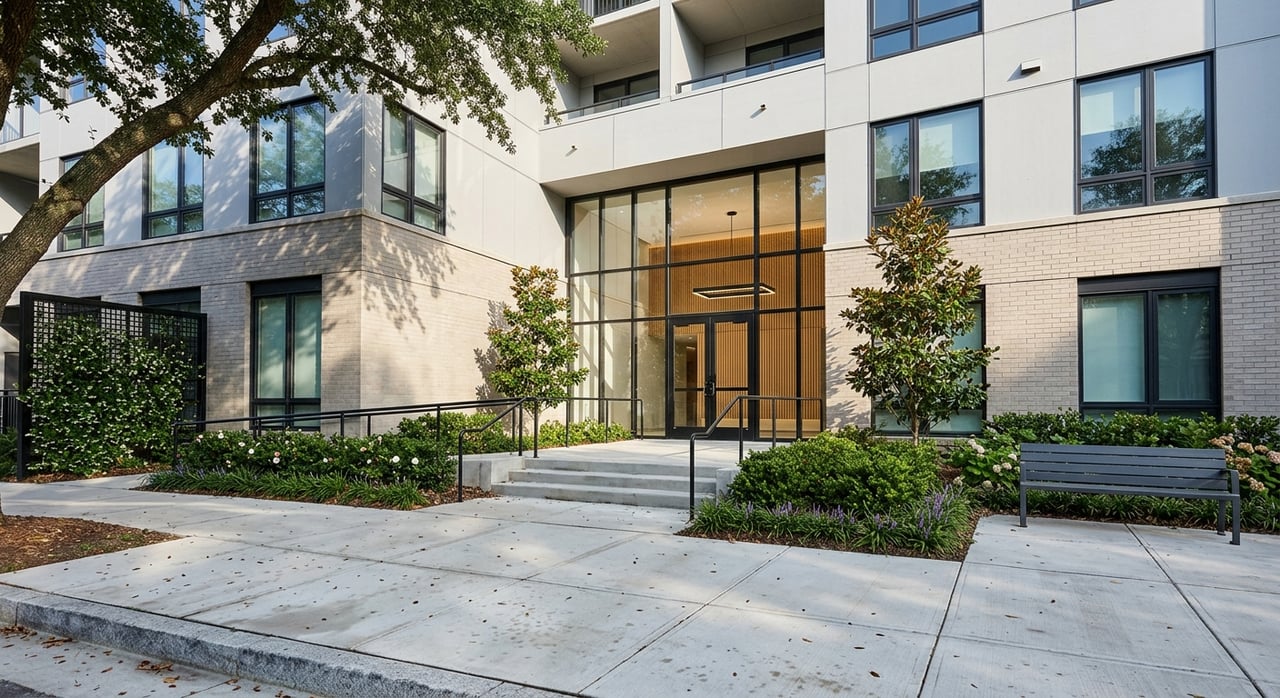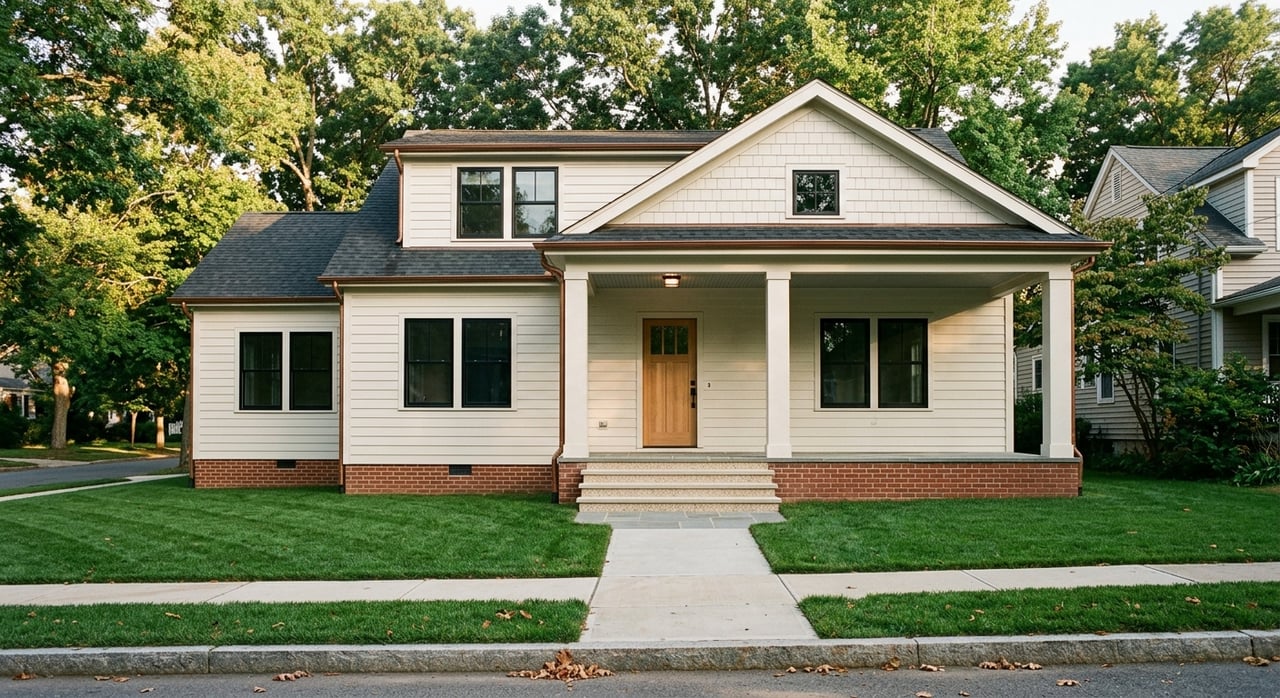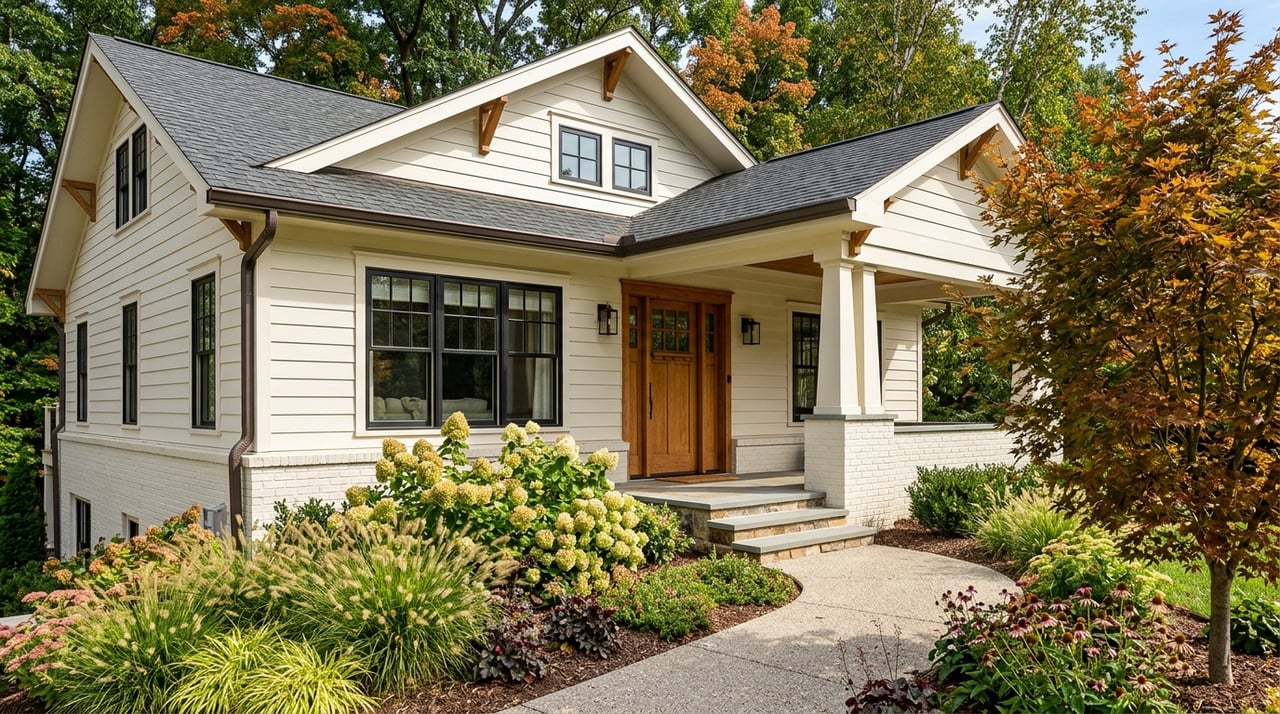
Wondering how to sell in Midtown Atlanta without guessing on price or overspending on prep? You are not alone. Midtown can look like one market at a glance, but sellers quickly find out that a condo in the core, a townhome with a rooftop deck, and a detached home in a nearby historic pocket do not compete the same way. This guide will help you understand how to price, prepare, and market your Midtown home with more clarity and less friction. Let’s dive in.
Midtown is several markets
One of the biggest mistakes sellers make is treating Midtown like a single pricing bucket. In reality, Midtown includes a condo-heavy core, a very limited townhome segment, and nearby single-family pockets with a different buyer pool and value story.
That matters because broad market averages can blur what buyers are actually comparing. Current snapshots show a more measured market than the peak seller years, with median days on market ranging from about 57 to 83 days depending on the source, and sale-to-list ratios that suggest many homes are not closing at full asking price. In a market like that, pricing precision matters.
Midtown also sells a lifestyle as much as a floor plan. The area is known for walkability, MARTA access, Piedmont Park, the BeltLine nearby, and a strong arts-and-culture presence. Your listing needs to connect your home to that day-to-day experience in a way that feels factual and relevant.
Price by submarket, not headline
The right price usually starts with the closest comparable homes, not a Midtown average. Buyers are looking at homes like yours by property type, building, block, condition, view, parking, and monthly carrying costs.
If you price from a headline number alone, you risk missing the mark. A condo seller competing in a building with similar layouts has a different pricing job than a single-family seller in a smaller neighborhood setting. The more specific the comparison set, the more credible your asking price will feel to buyers.
Condo pricing in Midtown
Condos make up a large share of Midtown inventory, so buyers have options. In recent snapshots, Midtown had hundreds of condo listings with a median listing price around $350,000, which means buyers can compare building to building and unit to unit with ease.
For a condo, value is about more than finishes and square footage. Buyers are also underwriting the building itself, including:
- Monthly HOA dues
- Parking spaces
- Storage
- Amenities
- Reserve strength
- Rules and lease limits
- Any assessment risk
In Midtown, two units with similar interiors can perform very differently if the building story is different. That is why condo pricing should reflect both the home and the full ownership package.
Townhome pricing in Midtown
Townhomes are a much smaller segment in Midtown, and that limited supply can create a more individualized pricing strategy. Recent Midtown townhome listings have emphasized features like private porches, garages, rooftop decks, office or flex space, and lower HOA dues.
That means your pricing should lean into the features buyers cannot easily find in a condo. A well-positioned townhome often appeals to buyers who want usable space and lower-maintenance living without shifting all the way to a detached house.
Single-family pricing near Midtown
Single-family homes in Midtown’s historic residential areas and nearby intown pockets play by a different set of rules. Buyers often compare architectural character, lot size, yard usability, parking, and access to Midtown’s commercial core and parks.
Because this is a smaller and more distinct segment, condo-heavy Midtown averages are not very useful here. Detached-home pricing should be anchored to the closest neighborhood comps that truly match your home’s style, size, condition, and setting.
Prep for the market you have
In a market where homes may take several weeks or longer to sell, strong presentation matters. The goal is not to over-renovate. It is to remove distractions, show the home clearly, and help buyers feel confident about what they are seeing.
For many Midtown sellers, a light pre-listing prep pass offers the best return. Focus on the basics that improve first impressions online and in person.
Smart pre-listing prep
A practical prep plan often includes:
- Deep cleaning
- Decluttering
- Touch-up paint or simple repainting
- Repairing visible defects
- Updating or brightening lighting
- Organizing closets and storage areas
- Making the home photo-ready
These steps matter in Midtown because buyers often start with visuals and compare listings quickly. Strong photos can get you on the shortlist. Poor presentation can make a well-priced listing easy to skip.
Condo prep includes paperwork
If you are selling a condo, prep is not just physical. It is administrative too. Georgia’s condominium rules require sellers to provide a package of documents that includes items such as the declaration, bylaws, budget, management contract, leases, and certain other condo materials.
The buyer has at least seven days after receiving those documents before the contract becomes binding. In practical terms, getting your HOA documents organized early can reduce delays and help your transaction move more smoothly.
Curb appeal still counts
If you are selling a detached home or townhome, curb appeal carries more weight because the showing starts at the street. Exterior condition, landscaping, entry presentation, and parking functionality can shape the entire first impression.
You do not need a massive exterior project to improve the look. Simple cleanup, fresh mulch, trimmed plantings, pressure washing, and a tidy entry can make the home feel more cared for and more market-ready.
Transparency protects your sale
Georgia is often described as a caveat emptor state, which means buyers are expected to inspect carefully. Still, that does not mean silence is the best strategy.
In Georgia, brokers must disclose known adverse material facts about the property and known adverse physical conditions in the immediate neighborhood within one mile, and they cannot provide false information. For sellers, the practical takeaway is simple: transparency still matters.
A cleaner transaction usually starts with honest pre-listing review. If there are visible issues, maintenance concerns, or condo-related questions that buyers are likely to uncover, it is better to prepare for them early instead of reacting under contract.
Weigh cash offers carefully
Some Midtown homeowners receive unsolicited purchase offers and wonder if skipping the market will save time. It can, but speed and convenience are not the same as full market value.
The Georgia Attorney General warns that unsolicited real estate purchase offers may not represent fair market value and must include required warning language. If you are comparing a direct cash path with a full-market listing, the real question is not just how fast you can sell. It is how much certainty, convenience, exposure, and net proceeds each path gives you.
That is where a side-by-side comparison helps. If your priority is maximum price, broad exposure usually matters. If your priority is speed, simplicity, or avoiding repairs, a cash-offer route may fit better.
Marketing starts with MLS exposure
If you want the widest reach, your listing plan needs to be MLS-ready from the start. In the Atlanta area, FMLS rules matter because they affect when and how your home can be publicly marketed.
FMLS requires listing brokers to submit listings within 48 hours after an exclusive right-to-sell agreement is signed. If a property is publicly marketed, it must be in Active or Coming Soon status within 24 hours.
This is important because off-market or limited marketing does not create the same exposure. Registered listings are off-market and are not distributed to major portals, so sellers should understand that hidden marketing and full exposure are two different strategies.
When Coming Soon makes sense
Coming Soon can be useful if you need a short runway before showings begin. FMLS allows this status for up to 30 days, and it does not accrue days on market.
That can give you time to finish photos, final touch-ups, or small prep items without giving up your future MLS launch. It is a practical option when you want a cleaner debut but are not ready for immediate showings.
Midtown marketing should match the home
A one-size-fits-all listing strategy does not work well in Midtown. The strongest marketing highlights the features buyers already care about in each segment and connects those features to the neighborhood experience.
For example, Midtown condo and townhome listings often emphasize:
- Floor-to-ceiling windows
- Skyline views
- Balconies
- Rooftop decks
- Garages
- Storage
- Office or flex space
For many buyers, these details are part of the value calculation. If your home has them, they should be easy to see in both the photos and the listing story.
Visuals are not optional
In Midtown, strong visuals are core marketing tools. Professional photography, floor plans, and virtual tours help buyers understand layout, light, and flow before they ever step inside.
That is especially important in condos and townhomes, where buyers may be sorting through many similar listings online. The clearer your presentation, the easier it is for buyers to see why your home deserves a closer look.
A better Midtown selling plan
Selling in Midtown Atlanta is less about chasing a broad market number and more about positioning your home inside the right micro-market. When you price against the right comps, prep with purpose, organize disclosures early, and launch with full MLS exposure, you give yourself a better shot at a smoother sale.
If you want to sell with more control and fewer surprises, the right plan should fit your property type, your timeline, and your financial goals. That might mean full-market exposure through a flat-fee listing, or it might mean exploring a faster cash-offer path. The key is knowing the tradeoffs before you commit.
If you are thinking about selling in Midtown, Darius Hollis can help you weigh your options, understand your home’s value, and build a listing strategy around clarity, cost efficiency, and local market insight.
FAQs
How should you price a condo in Midtown Atlanta?
- Start with comparable sales and active competition in the same building or a very similar building, then adjust for view, parking, storage, amenities, HOA dues, and condition.
What prep gives the best return when selling a Midtown Atlanta home?
- In many cases, light prep works best, including cleaning, decluttering, touch-up repairs, paint refreshes, better lighting, and making the home show well in photos.
What documents do condo sellers need in Midtown Atlanta?
- Georgia condominium sales require sellers to furnish a package of documents that includes items such as the declaration, bylaws, budget, leases, management contract, and certain other condo materials.
Is Coming Soon a good option for a Midtown Atlanta listing?
- Yes, if you need a short prep window before showings, because FMLS Coming Soon status can last up to 30 days and does not add days on market.
Should you accept an unsolicited cash offer for a Midtown Atlanta home?
- It depends on your goals, because a cash offer may offer speed and convenience, but it may not reflect full market value.
Why does marketing matter so much for Midtown Atlanta sellers?
- Midtown buyers often compare listings online first, so strong photography, floor plans, virtual tours, and clear feature positioning can have a major impact on interest and showing activity.