Thinking about making a move in Woodstock? Whether you plan to buy your next home or sell your current one, this market asks for more than a quick glance at a citywide average. You need to understand pricing, timing, and how Woodstock can vary from one area to the next. This guide will walk you through the key things to consider before buying or selling in Woodstock, Cherokee County, so you can make a more confident decision. Let’s dive in.
Understand Woodstock’s Market Shape
Woodstock is a growing city in north metro Atlanta, with an estimated population of 39,381 as of July 2025. That is up 12.2% from 2020, which helps explain why housing here continues to draw attention from both buyers and sellers. The city also has a 64.0% owner-occupied housing rate, which points to a market with a strong base of homeowners.
Home values and prices in Woodstock can look different depending on the source, so it helps to read them as directional signals rather than exact matches. As of spring 2026, Zillow’s average home value was $463,231, Realtor.com’s median listing price was $510,000, and Redfin’s median sale price was $424,781. Those numbers tell the same broad story: Woodstock is a solid suburban market, but the right price depends on the home, the area, and current demand.
Know That Woodstock Is Not One Market
One of the biggest things to consider before buying or selling in Woodstock is that it does not move at one speed. Different parts of the city can sit in very different price bands, which means your strategy should be based on the specific area, not just the Woodstock name.
Recent listing data shows a wide spread by area. Median listing prices were around $699,900 in the Downtown District, $599,900 in Towne Lake, about $424,950 in Victoria, and about $353,900 in River Park. For buyers, that means your budget may stretch very differently depending on where you focus. For sellers, it means your pricing should be based on nearby comparable homes, not broad metro headlines.
What Homes in Woodstock Often Look Like
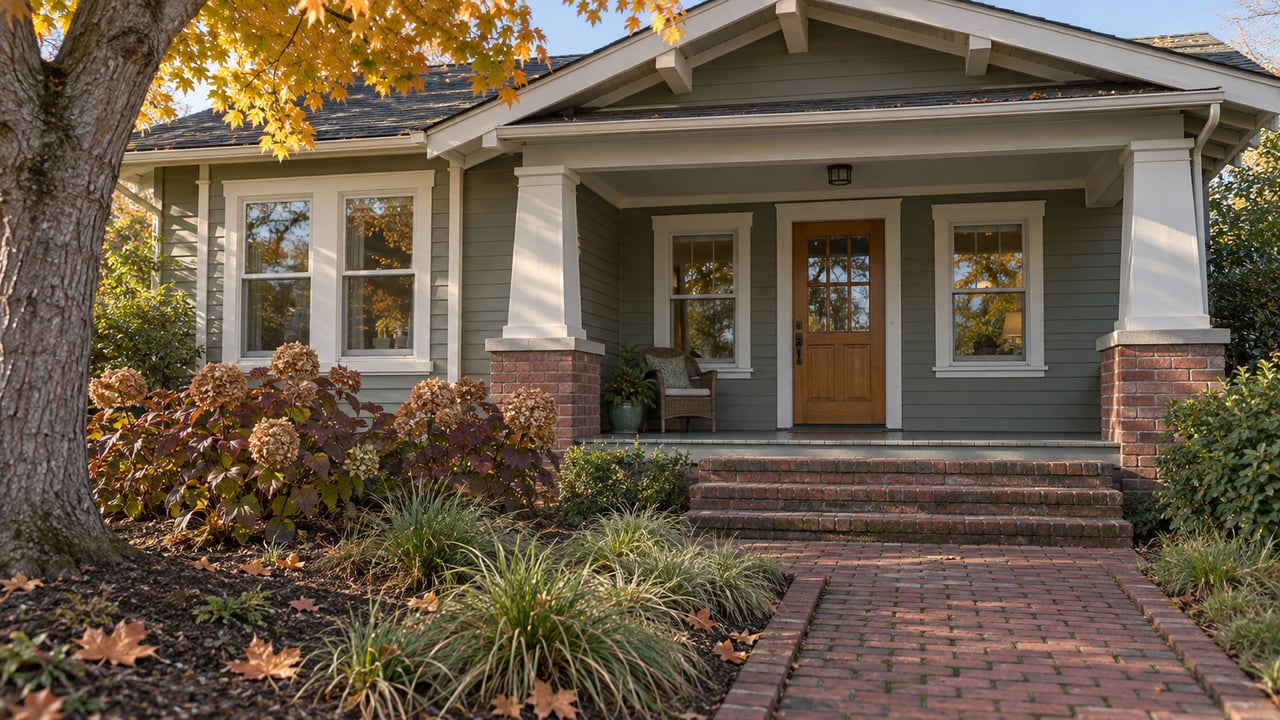
Woodstock’s housing stock is still led by detached homes. The city’s 2023 comprehensive plan says roughly 64% of Woodstock’s housing stock is single-family detached, and about 65% of units are owner-occupied. That is useful context if you are expecting a suburban housing mix with a strong supply of standalone homes.
Recent sold examples also show a practical range of home types. Buyers are likely to see homes with 2 to 5 bedrooms, around 2 to 3.5 baths, and roughly 1,500 to 4,000 square feet. Sellers can use that context to think about how their home fits into the market and what features may matter most when it is compared with nearby listings.
What Buyers Should Consider in Woodstock
Compare by Neighborhood and Price Band
If you are buying in Woodstock, start narrow. A citywide average can be helpful for context, but it will not tell you what is happening in the exact pocket or price range you are shopping in. Competition can vary a lot depending on the neighborhood and the type of home.
That matters because some homes still move close to asking price, while others sit long enough to need a price cut. Realtor.com described Woodstock as a balanced market in March 2026, and Redfin reported that 37.8% of homes had price drops in April 2026. That creates opportunity for buyers, but it also means you need to know which listings are priced well and which ones are testing the market.
Set a Clear Budget Ceiling
A balanced market can still feel competitive when the right home comes up. Woodstock homes were selling for about 99% of list price on average in spring 2026, with sale-to-list ratios around 98.5% to 98.7% depending on the source. In other words, many sellers are still getting close to their asking price when a home is positioned correctly.
That is why a clear budget ceiling matters. Knowing your comfort range before you start writing offers can help you move faster and avoid stretching just because a home checks a lot of boxes.
Think About Drive Time and Daily Routine
Price matters, but so does how a home works with your everyday life. Census data puts the mean commute time to work at 29.9 minutes in Woodstock. That makes access and drive time an important part of the value conversation.
As you compare homes, think about the routines you want to support. A lower purchase price may not feel like a win if your weekly driving time grows more than expected.
Consider Attached Homes Separately
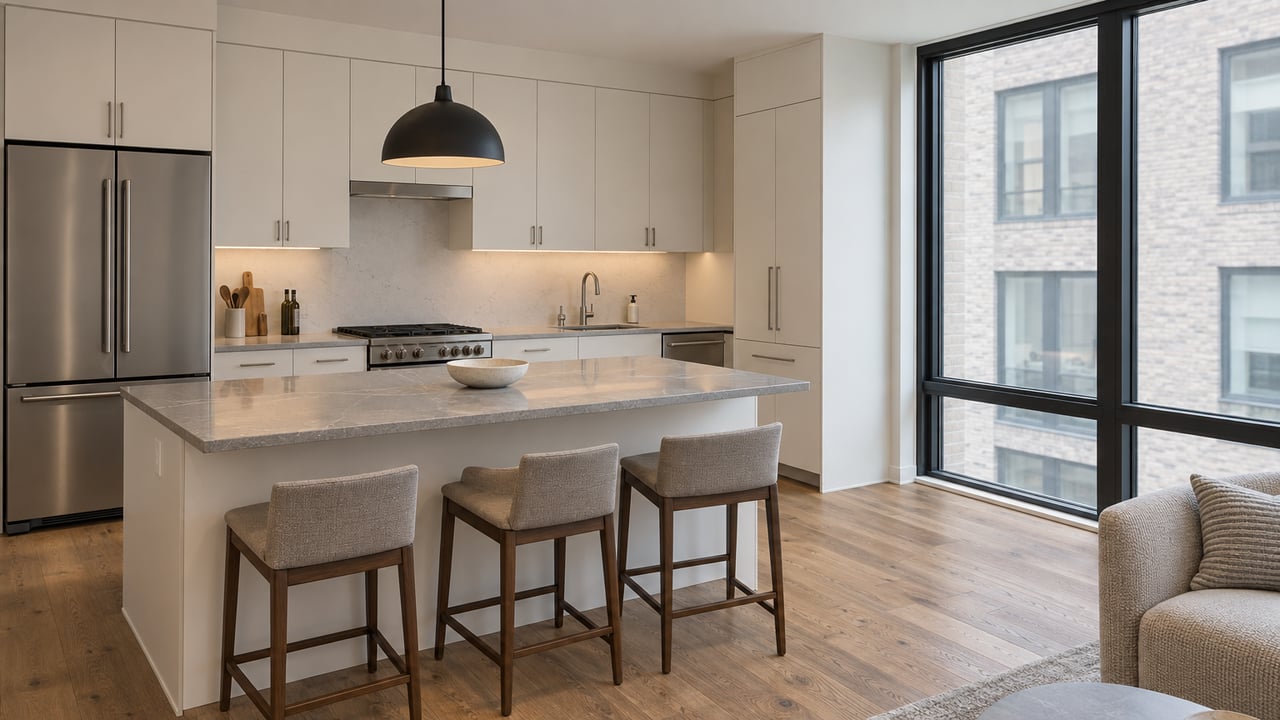
If you are open to a townhome or condo, Woodstock and the broader Cherokee County market can offer a different pace. In Cherokee County, the townhome and condo segment had 185 homes for sale in April 2026, a median sales price of $369,000, 59 days on market, and 5.7 months of supply.
That suggests buyers in attached housing may see more selection and a slower pace than in single-family homes. It is a reminder that the best strategy depends not just on location, but also on the type of property you want.
What Sellers Should Consider in Woodstock
Price for Today’s Market
If you are selling in Woodstock, pricing discipline should be at the top of your list. Cherokee County had 4.2 months of inventory in April 2026, and Woodstock was described as a balanced market. That is very different from an ultra-tight market where almost any asking price gets a quick response.
Redfin’s data showing a large share of price reductions is especially important here. If you start too high, you may lose momentum, extend days on market, and invite lower offers later. The stronger move is to use current local comps and price for today’s conditions.
Plan Your Launch Timing
Timing still matters in Woodstock. Cherokee County’s days-on-market pattern shows that homes generally move faster in spring than in winter. In 2026, median days on market dropped from 64 in January to 42 in April, which fits the seasonal pattern seen in prior years.
For sellers, that means preparation matters as much as timing. It is usually better to launch when the home is fully ready, with pricing, photos, and presentation dialed in, than to rush to market before everything is in place.
Prepare for a More Selective Buyer
Today’s buyers have options, and that changes how your home needs to show up. County data showed 1,313 homes for sale in Cherokee County in April 2026, while Woodstock market snapshots also showed several hundred active listings. More inventory gives buyers more room to compare condition, layout, and value.
That does not mean you cannot sell well. It means presentation, realistic pricing, and a clean go-to-market plan matter more than they do in a low-inventory frenzy.
Match Your Selling Path to Your Goal
Not every seller in Woodstock wants the same outcome. Some want to maximize price and are willing to prepare the home carefully for the open market. Others care more about speed, convenience, or avoiding the repair and prep process.
That is where having options can help. If your goal is broad market exposure with more cost control, a flat-fee listing model may be worth exploring. If you need a faster, more direct sale, a cash-offer path may better match your timeline.
Why Local Data Matters More Than Broad Headlines
It is easy to get distracted by metro Atlanta headlines or national market chatter. But Woodstock is best understood as a collection of smaller submarkets with different price points, home styles, and buyer behavior. A detached home in Towne Lake may compete very differently than a smaller property in River Park or an attached home elsewhere in Cherokee County.
That is why current local numbers matter so much. The most useful data is not just whether the market is up or down. It is how homes like yours, or the ones you want to buy, are performing right now in the areas you are actually considering.
A Smarter Way to Plan Your Next Move
Whether you are buying or selling in Woodstock, the biggest advantage comes from being specific. Focus on the exact neighborhood, property type, timing window, and price band that fits your situation. That is how you avoid overgeneralizing and make decisions based on what is really happening in the market.
Woodstock still offers opportunity on both sides of the transaction. Buyers can find options across a range of price points, and sellers can still do well with the right preparation and pricing. If you want a more transparent, lower-friction way to plan your move, Darius Hollis can help you explore your options with clear market insight and practical support.
FAQs
What should buyers know before buying a home in Woodstock, GA?
- Buyers should know that Woodstock is not one uniform market. Prices, competition, and home types can vary a lot by neighborhood and property type, so it is important to compare local listings and recent sales closely.
What should sellers know before selling a home in Woodstock, GA?
- Sellers should know that Woodstock is currently more balanced than ultra-competitive, which makes accurate pricing and strong preparation especially important. Homes can still sell close to list price, but overpricing can lead to price cuts and longer time on market.
Is Woodstock, GA a buyer’s market or a seller’s market?
- Recent data described Woodstock as a balanced market. That means neither side has a clear overall advantage, and results depend heavily on the home’s condition, price point, and location.
When is the best time to sell a home in Woodstock, GA?
- Spring is usually the faster season based on Cherokee County days-on-market trends. In 2026, median days on market improved from 64 in January to 42 in April, which supports the idea that sellers often benefit from being fully ready for a spring launch.
Are townhomes and condos in Woodstock, GA different from single-family homes?
- Yes. In Cherokee County, attached homes had more supply and a slower pace than single-family homes in April 2026, which may give buyers more selection and a different negotiating environment.
How much do homes cost in Woodstock, GA?
- That depends on the metric and the area. In spring 2026, public data showed an average home value around $463,231, a median listing price of $510,000, and a median sale price of $424,781, with notable differences between neighborhoods inside Woodstock.